11 hr
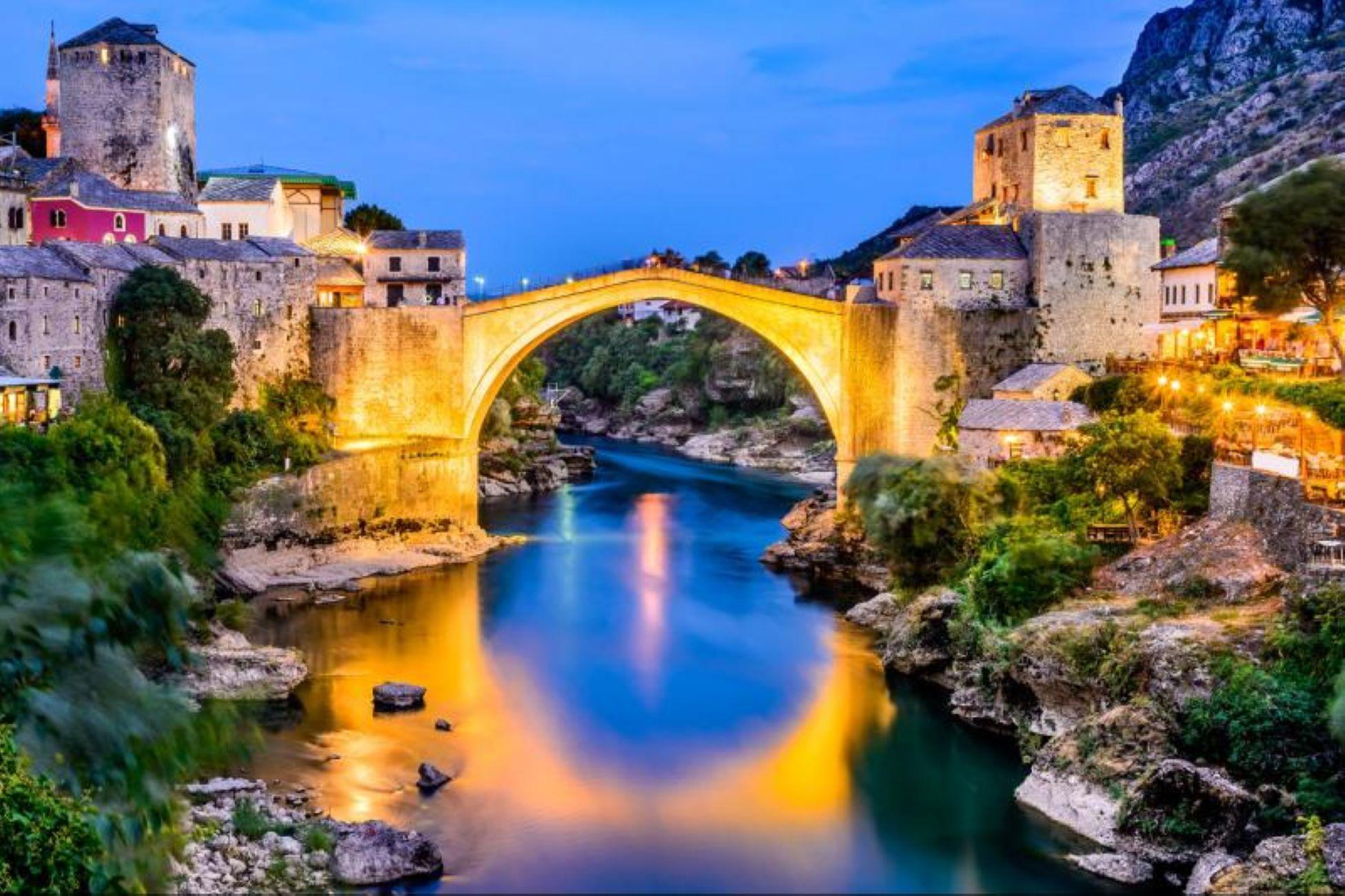
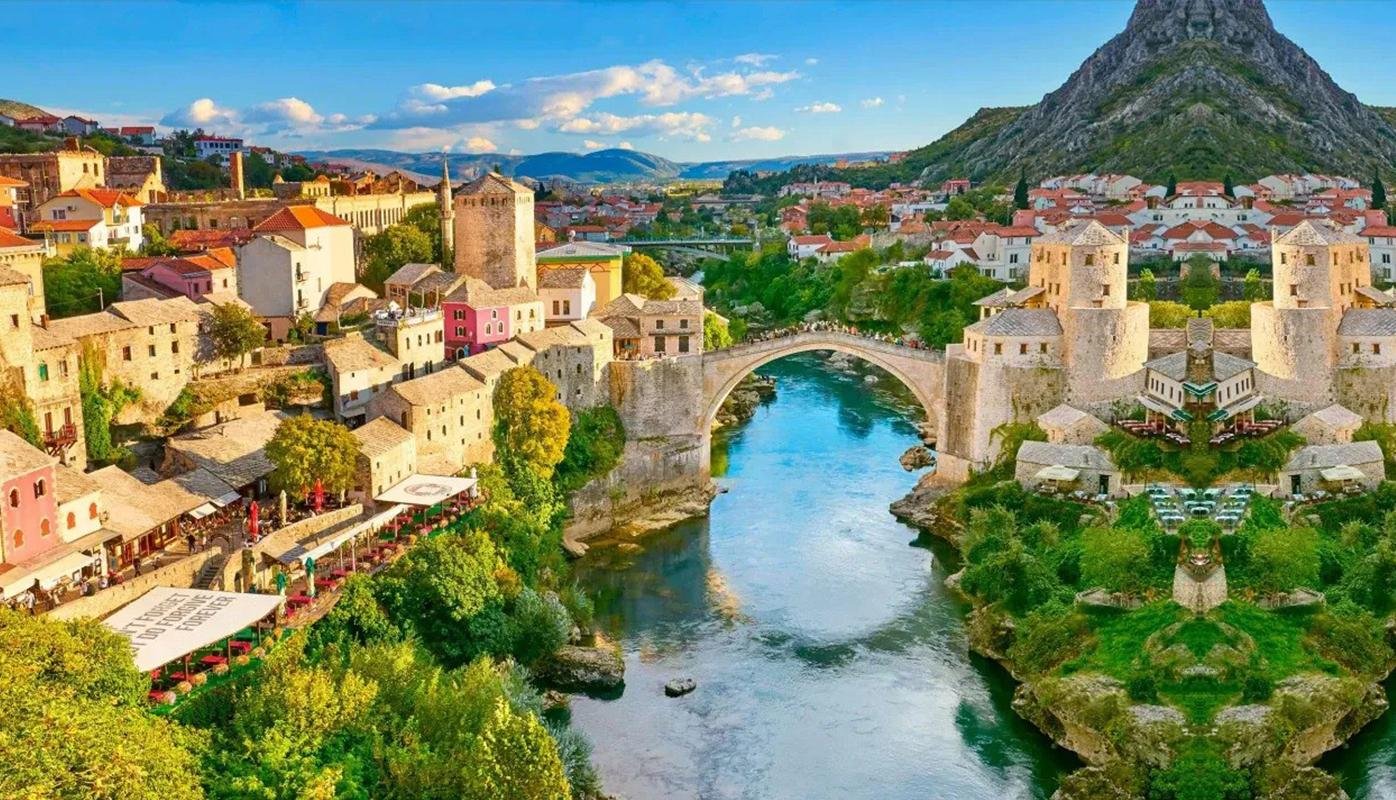
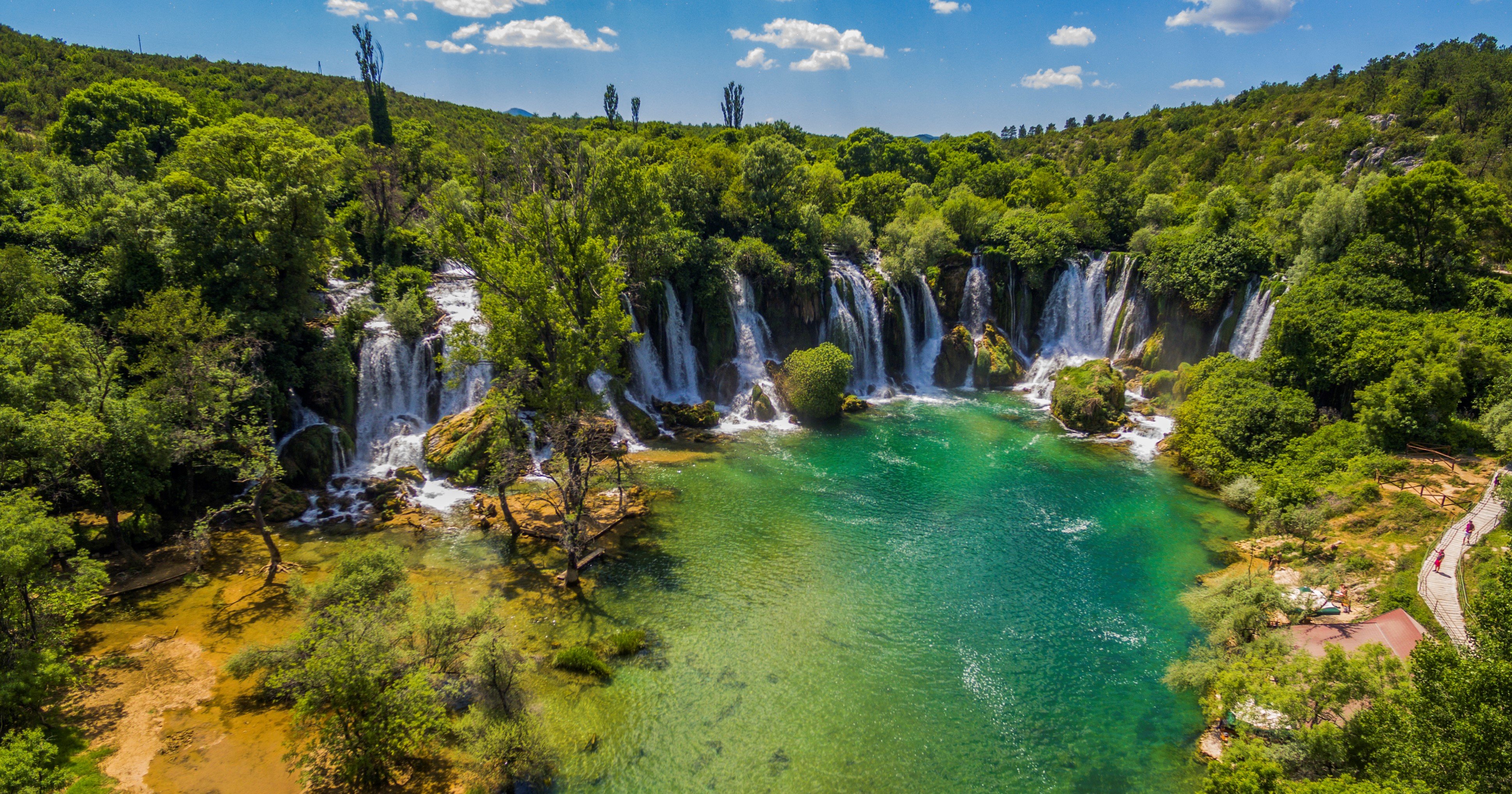
Mostar and Kravica Waterfall Day Trip from Dubrovnik
- Expert local guide
- Small group
- Skip-the-line access
- Free cancellation
Plitvice Lakes Day Trip from Dubrovnik — UNESCO Waterfalls & Turquoise Pools
Sixteen terraced lakes cascade through 300 metres of limestone, boat rides glide across emerald water
Compare fares, pick the fit — all bookings are mobile-voucher and eligible for free cancellation where shown.
11 hr
12 hr
12 hr
Selecting the right pass for your plitvice lakes day trip from dubrovnik ensures seamless access to this UNESCO heritage landmark. Whether you opt for a standard entry or a two-day pass, these options provide essential entry for your Croatian sightseeing tour.
|
Top pick One-Day Ticket Standard Access |
Two-Day Ticket Extended Exploration | |
|---|---|---|
| Park Admission | Included | Included |
| Boat & Shuttle | Included | Included |
| Valid Duration | One day | Two consecutive days |
| Entry Window | Timed entry required | Timed entry required |
| Best for | First-time visitors | Deep nature immersion |
| See tickets & prices |
Verdict: For most visitors taking a plitvice lakes day trip from dubrovnik, the one-day ticket provides sufficient access to explore the park's iconic waterfalls and trails.
Worth it for nature lovers, skip for casual visitors
A plitvice lakes day trip from dubrovnik demands serious commitment: you'll invest 8–10 hours round-trip for roughly 3–4 hours at the UNESCO-listed karst cascade system. The 40 EUR entrance fee is reasonable, but transport costs typically add another 60–90 EUR per person, pushing the total investment to 100–130 EUR. What you gain is access to sixteen terraced lakes connected by waterfalls, wooden boardwalks threading through turquoise pools, and landscapes genuinely absent from Dalmatia's coastal repertoire. However, alternative day tours from Dubrovnik—Mostar with Kravica Waterfall, or Elaphite Islands cruises—deliver compelling experiences in half the travel time. The Plitvice excursion pays off if you prioritize inland natural heritage over coastal or cultural alternatives, but the distance makes it a difficult recommendation for travelers with limited time or those seeking variety over a single karst landscape.
Bottom line: Book a Plitvice Lakes day trip from Dubrovnik only if karst landscapes justify the long journey for you—otherwise, Mostar or island tours deliver better time-to-experience ratios.
They offer fundamentally different experiences; most travelers who weigh a plitvice lakes day trip from dubrovnik against a visit to Krka call Plitvice the more spectacular landscape, while Krka provides a significantly more manageable travel day.
|
Top pick Plitvice Lakes |
Krka National Park | |
|---|---|---|
| Travel time (one-way) | 5–6 hours | |
| Drive intensity | High (full day trip) | |
| Scenic scale | Grand alpine lakes | |
| Walking terrain | Extensive boardwalk loops | |
| Best for | Dramatic nature photography | |
| Booking constraints | Required in advance | |
| Price (adult) | 40 EUR (summer) | |
| Crowds | High (very busy) | |
| See tickets & prices |
Verdict: Choose Plitvice if you crave cinematic, bucket-list scenery and are prepared for a long travel day, or opt for Krka if you prioritize a shorter journey and a more relaxed pace for your plitvice lakes day trip from dubrovnik tours.
Hand-picked experiences loved by thousands of travelers
2 hours
Free Cancellation
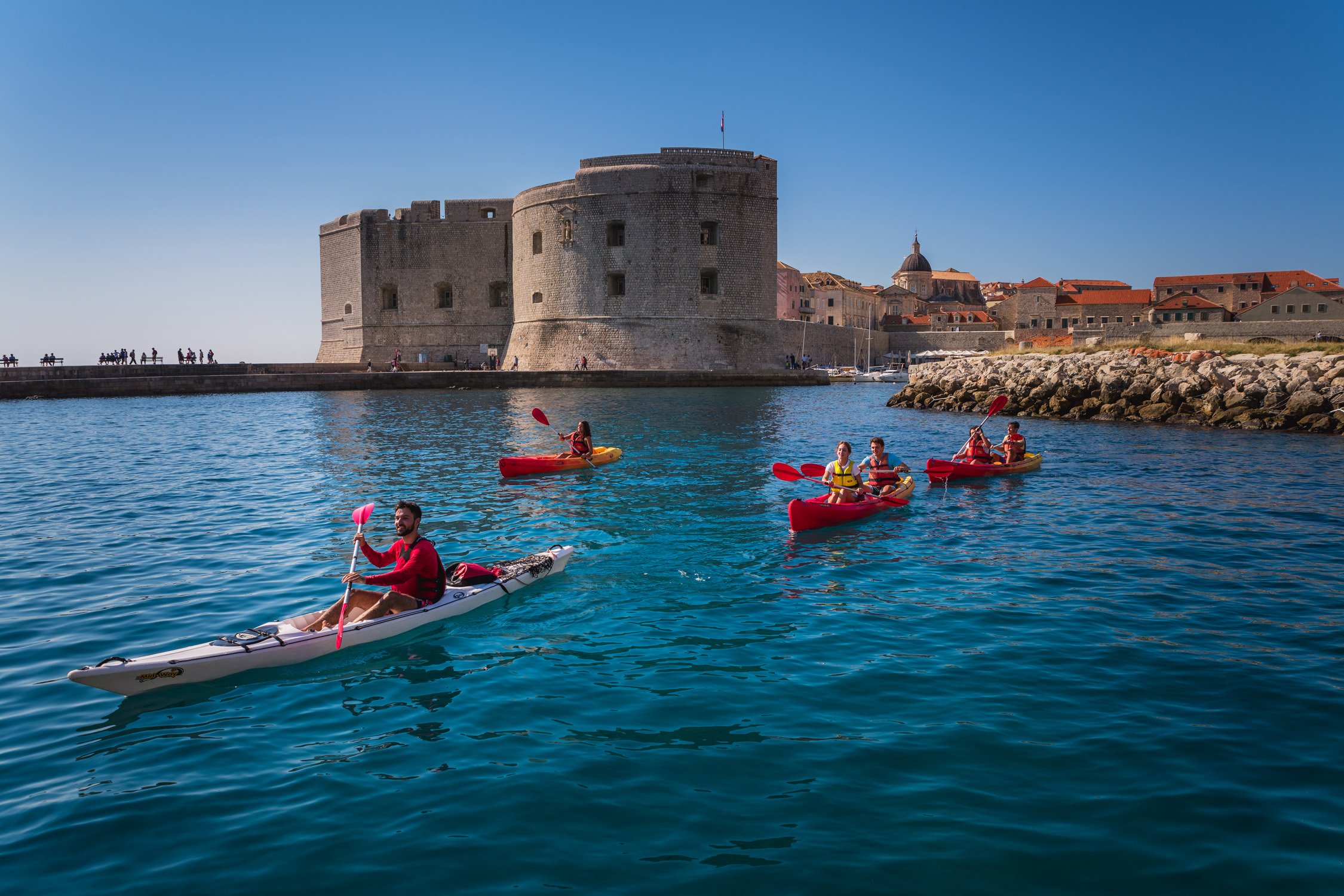
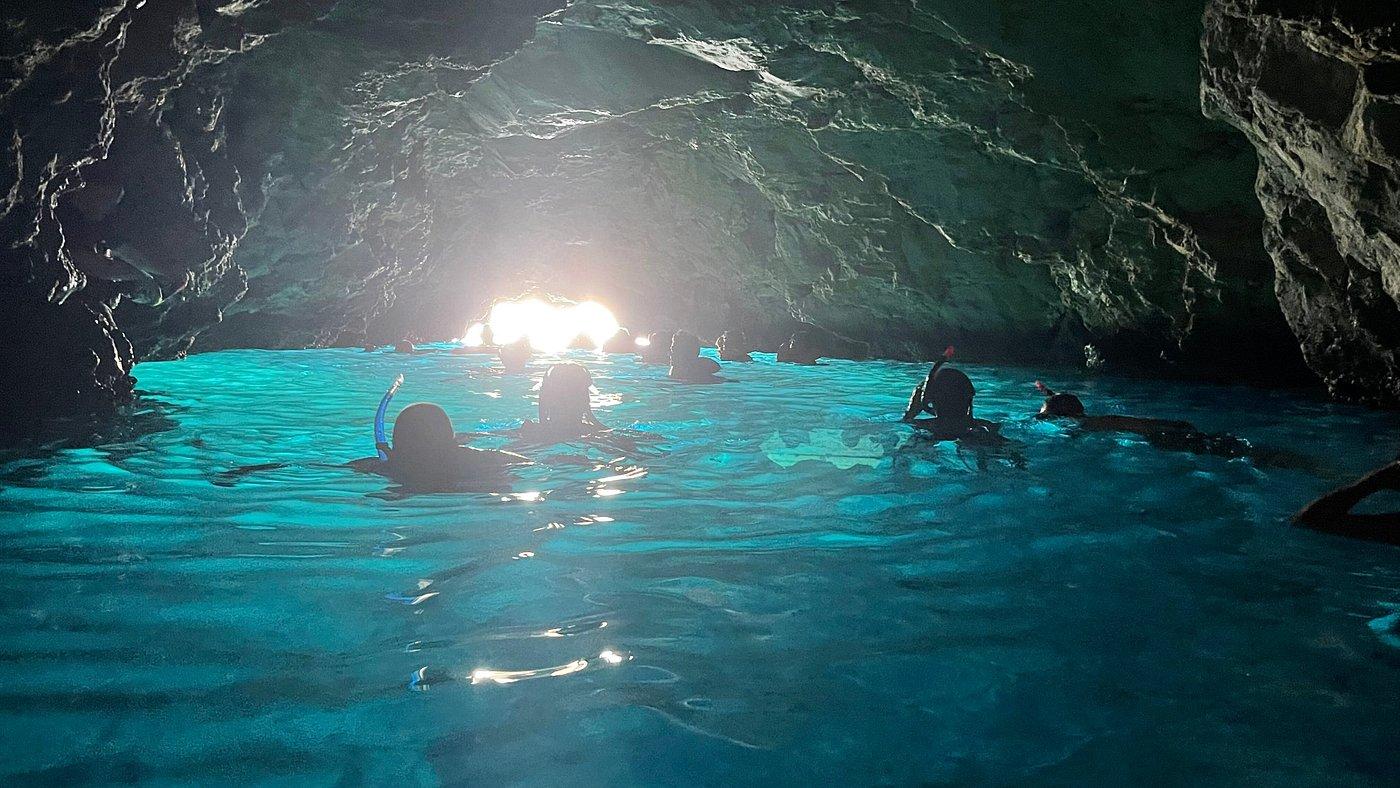
Paddle along Dubrovnik's medieval walls, snorkel in a hidden cave, and watch the sunset over Lokrum Island
7 hours 30 minutes
Free Cancellation
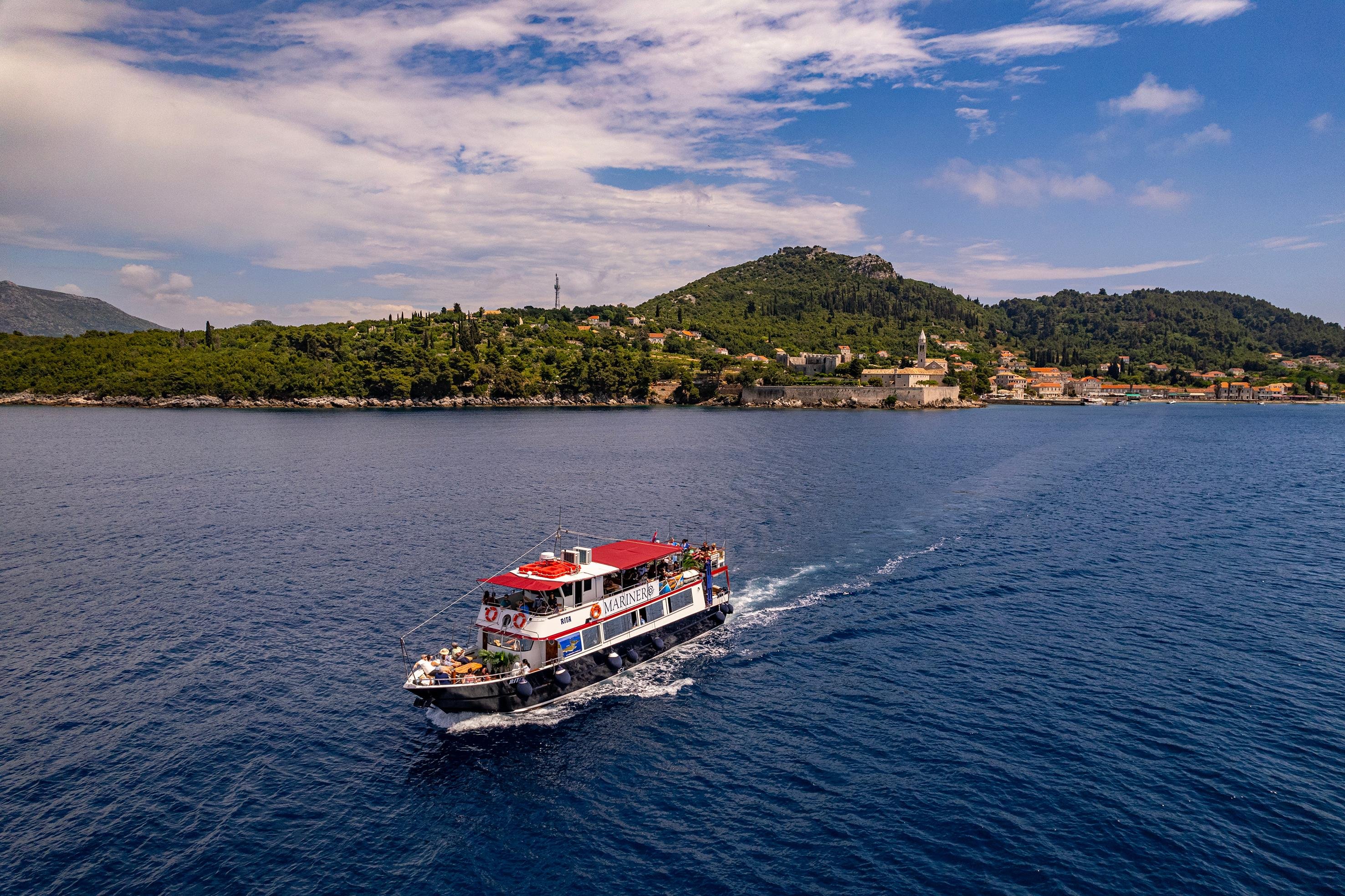
Sail to three stunning Adriatic islands with swimming stops, beach time, and Mediterranean cuisine
4 hours
Free Cancellation
Speedboat adventure through turquoise caves and golden sands of the Elaphiti archipelago
8 hours
Free Cancellation
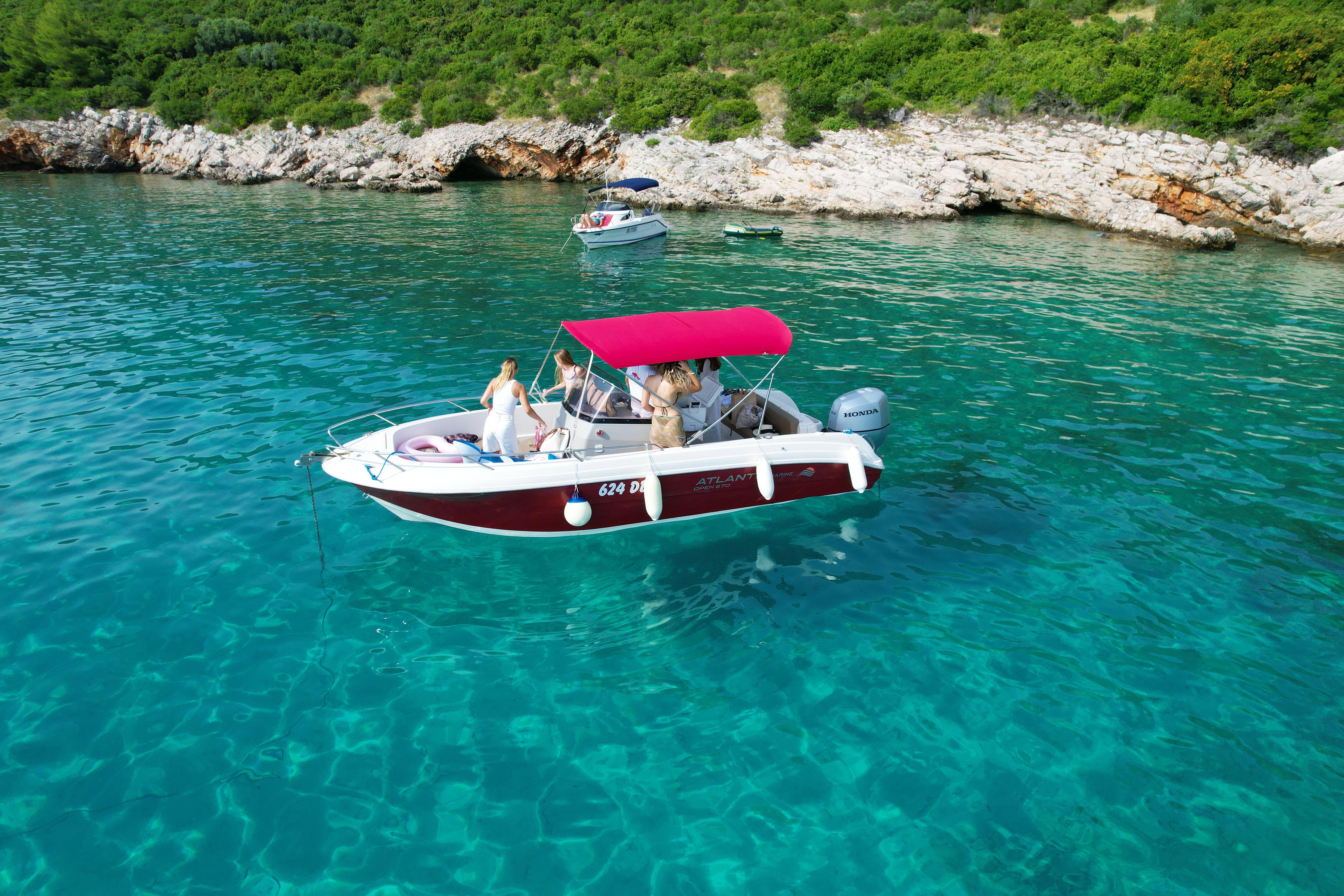
Cruise to three pristine islands with cave swimming, village walks, and complimentary drinks aboard a family boat.
8 hours
Free Cancellation
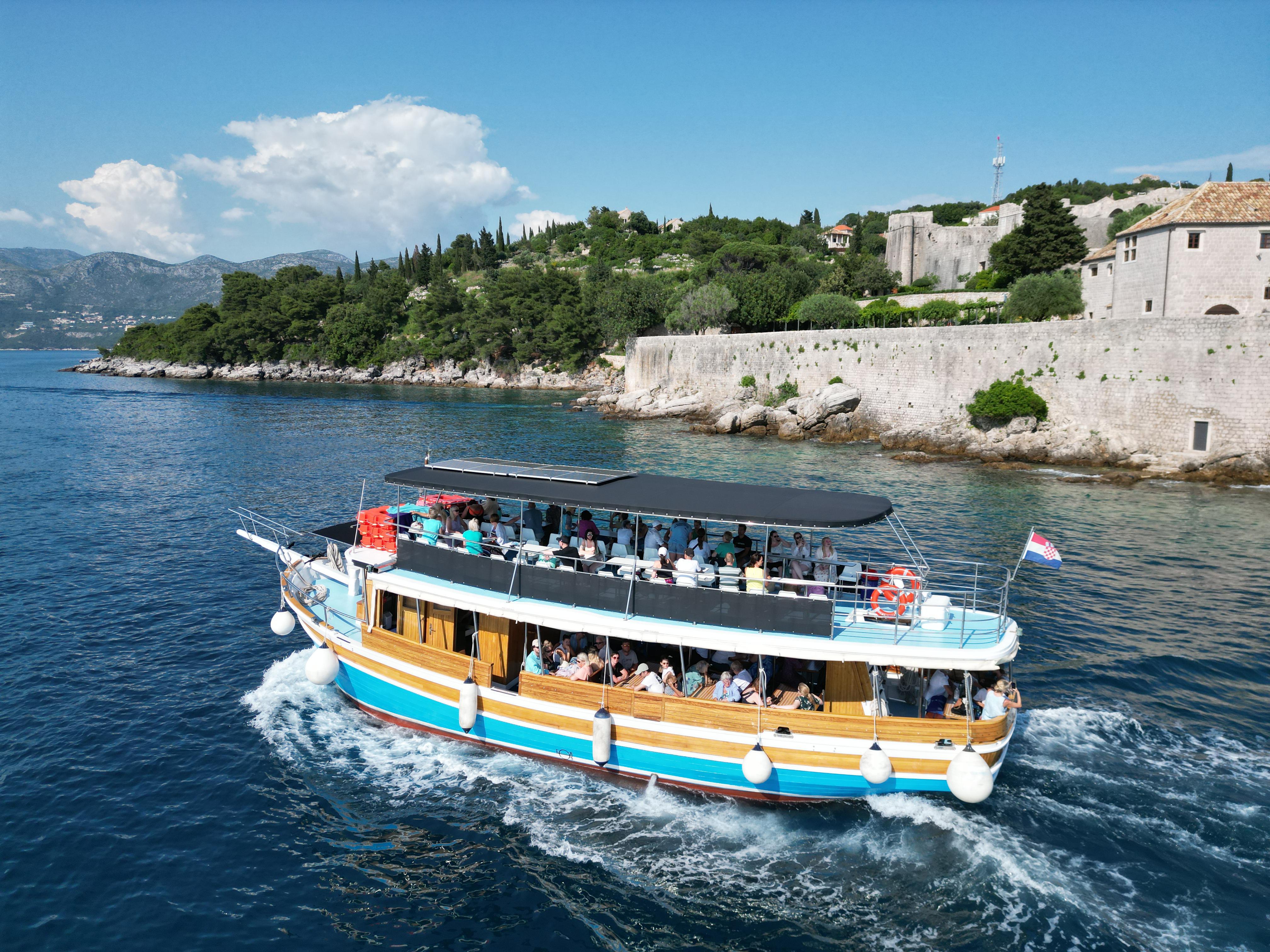
Sail to three Adriatic islands with unlimited drinks, optional lunch, and swimming stops
11 hours
Free Cancellation
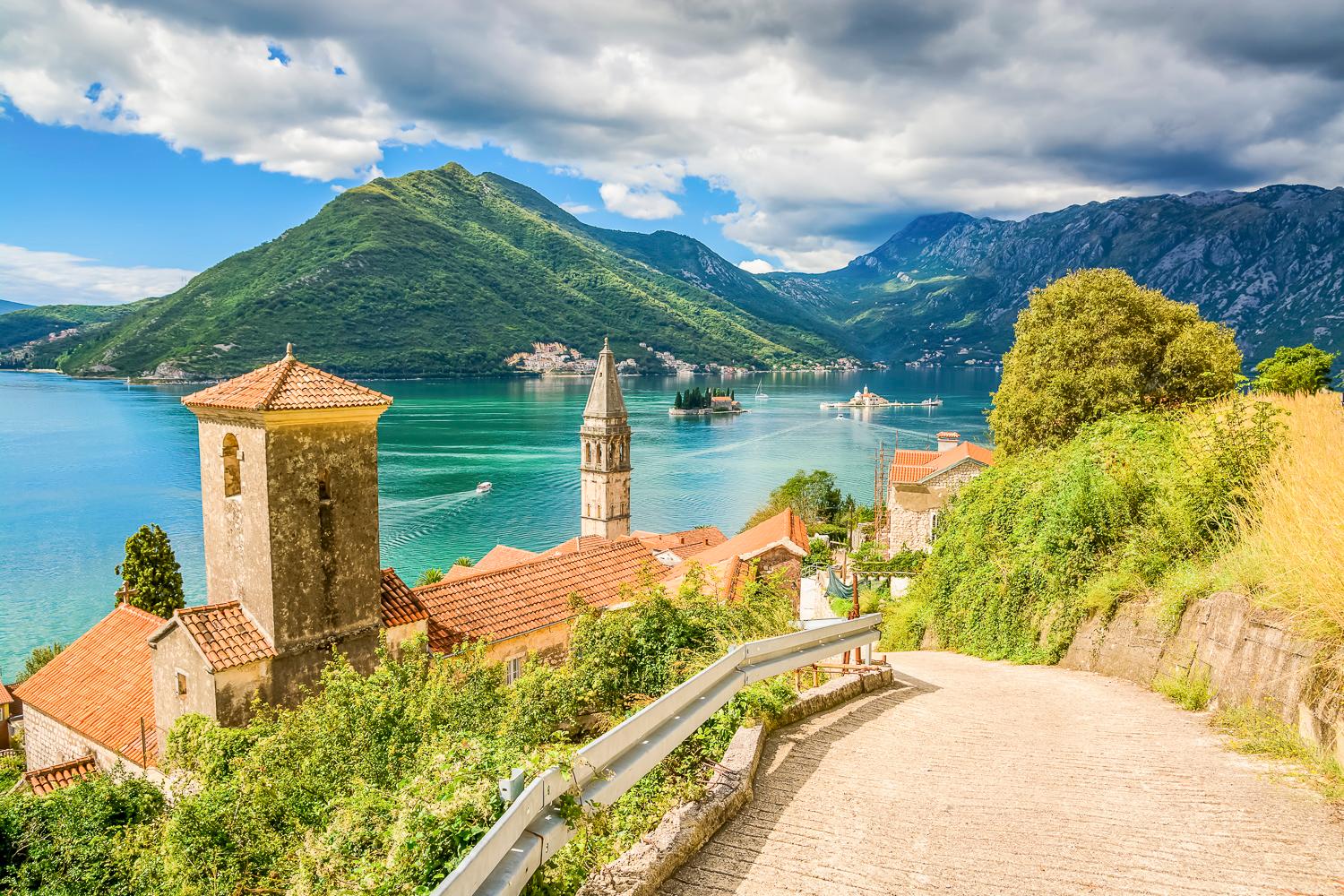
Journey through coastal Montenegro, exploring Perast's waterfront charm and Kotor's ancient walled city
2.5 to 8 hours (flexible options)
Free Cancellation
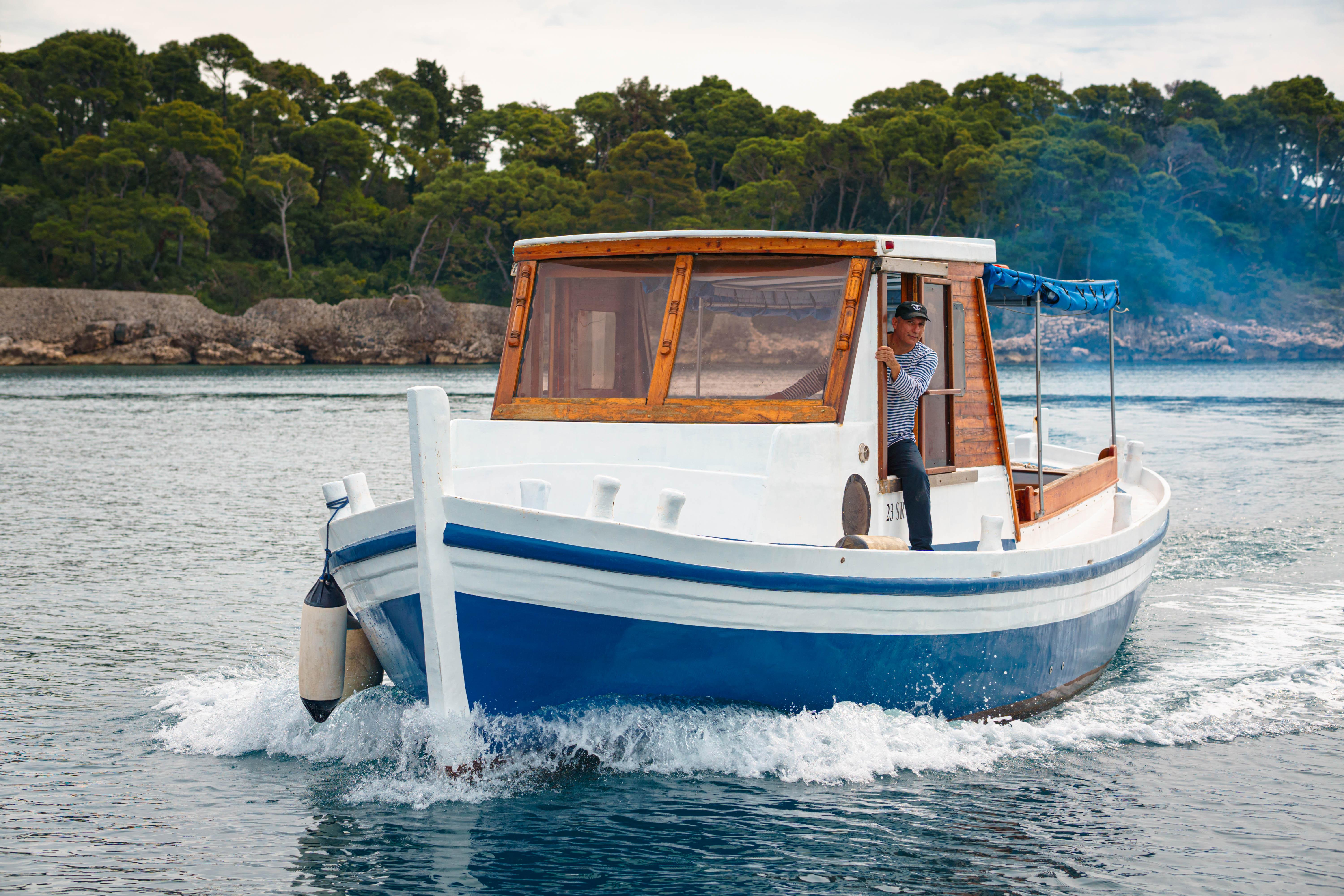
Explore hidden caves, sandy beaches, and charming villages on a fully customizable private boat adventure
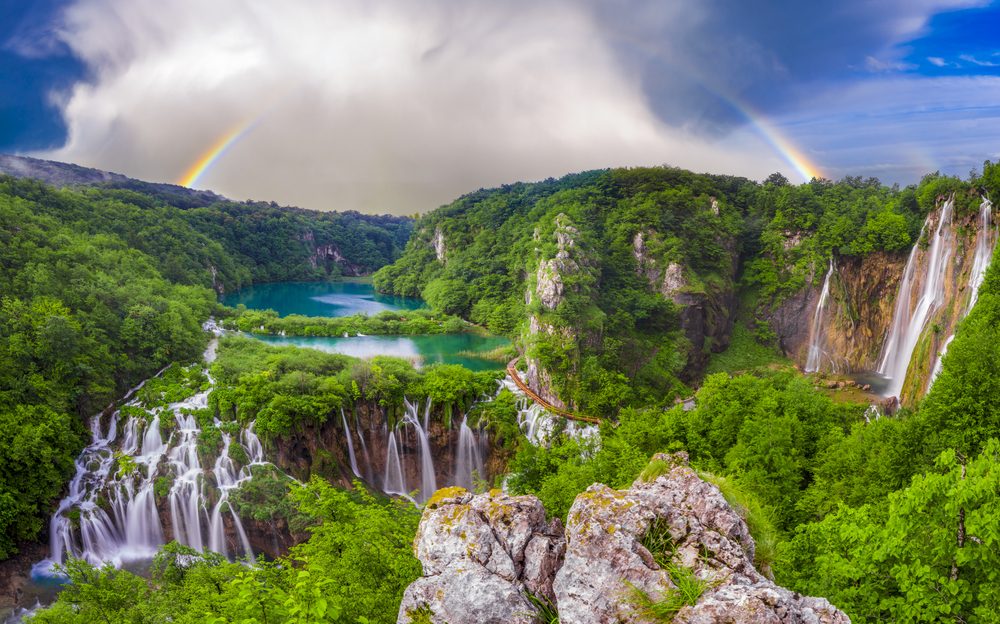
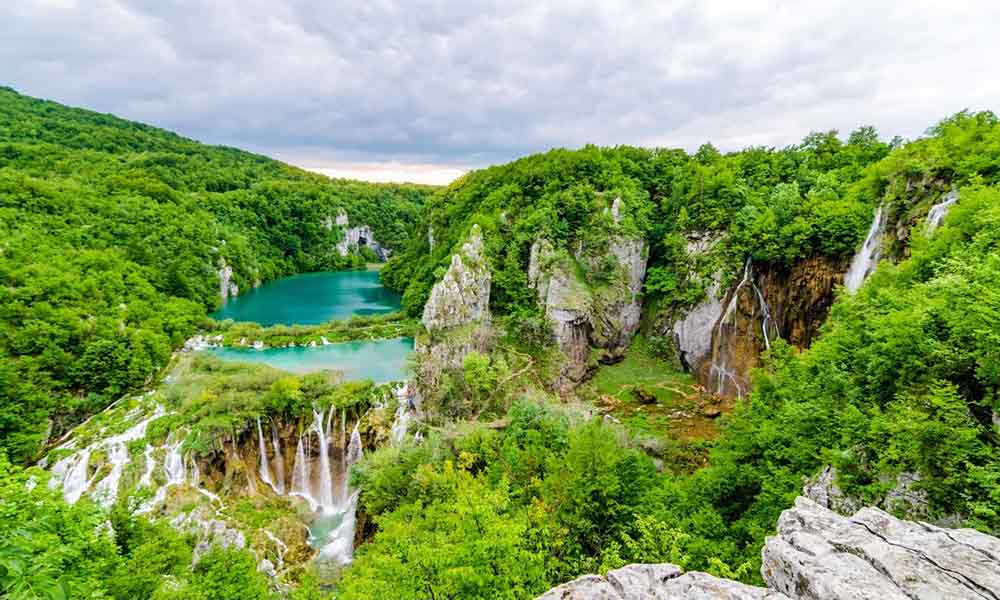
The tallest waterfall in the park reaching 78 metres in height.
A series of 12 beautiful lakes formed on impermeable dolomite rock.
The largest and deepest lake in the national park, perfect for boat rides.
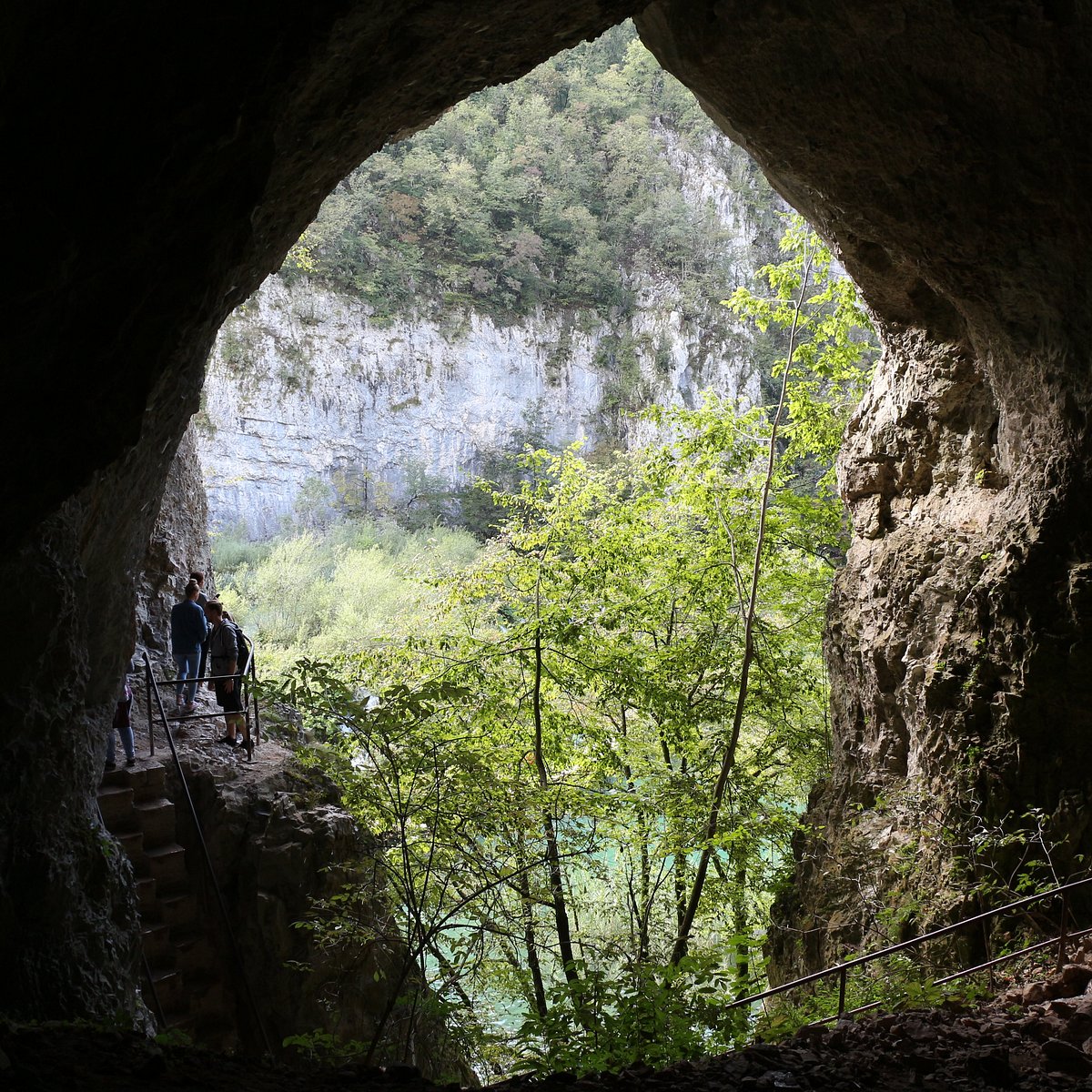
A limestone cave famously featured in 1960s German western films.
The impressive cascading falls where the Lower Lakes meet the Korana River.
You leave Dubrovnik before dawn, crossing the Pelješac peninsula as the Adriatic recedes behind limestone ridges. The drive inland takes three and a half hours, passing through the Neretva delta and climbing into the Dinaric highlands, where altitude drops the temperature five degrees.
You enter the park through the lower lakes entrance at Entrance 1, where wooden boardwalks begin immediately at the shoreline.
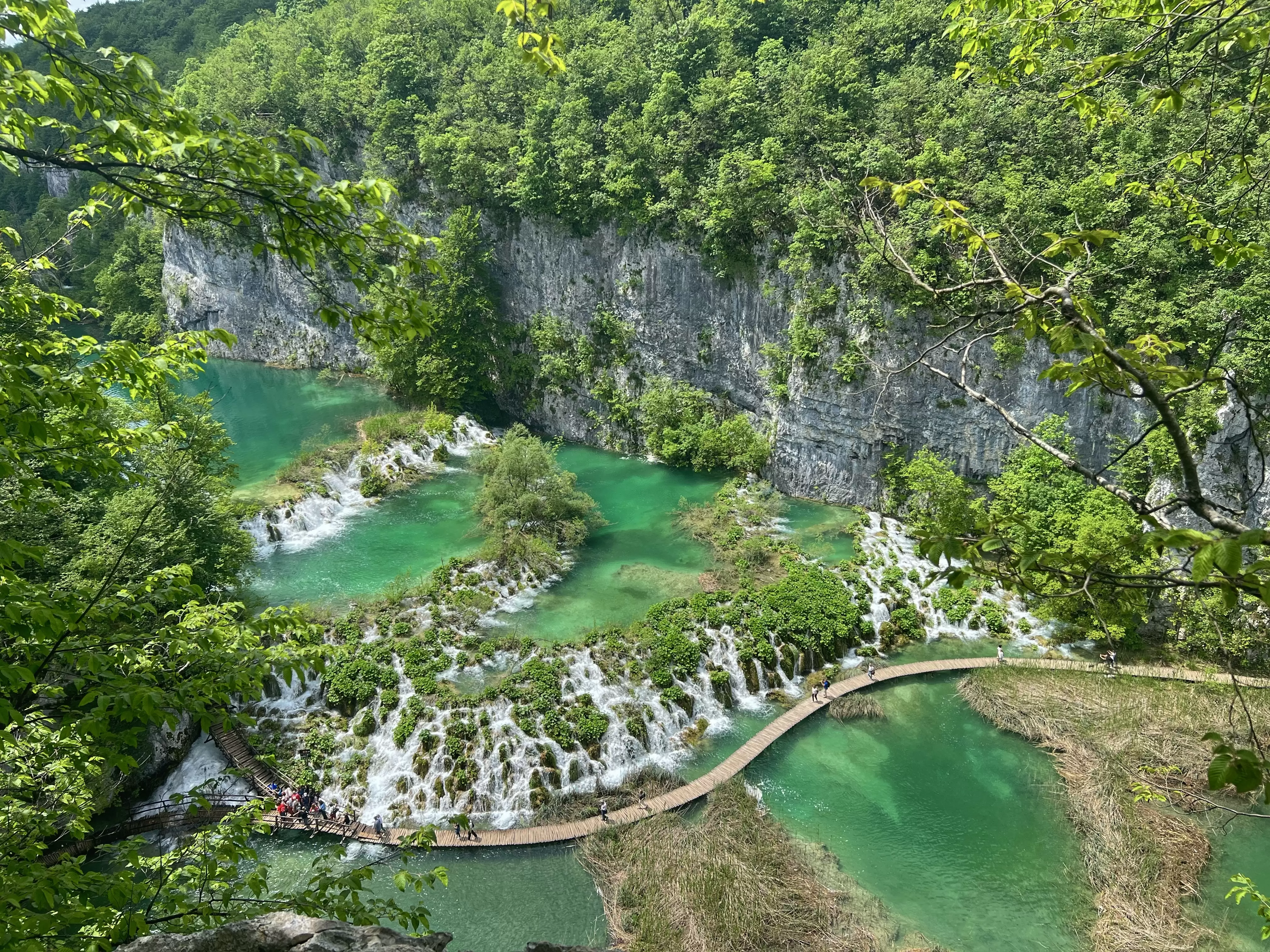
The first cascade, Milanovac, spills over a ten-metre travertine wall into a pool so clear you count stones on the lakebed three metres down. You follow the boardwalk as it bends around Gavanovac and Kaluđerovac lakes, the path suspended centimetres above water that reflects beech canopies in perfect symmetry. At Kozjak, you board a silent electric ferry that crosses 2.3 kilometres of open water, tracing the submerged canyon carved by glacial meltwater twelve thousand years ago.
You disembark at the upper lakes, where the gradient steepens and the waterfalls multiply. The trail climbs past Gradinsko, Galovac, and Okrugljak, each lake separated by stepped travertine cascades between two and five metres tall. At Veliki Slap, you descend a staircase cut into the cliff face, emerging at the base of the 78-metre plunge. Mist soaks your collar; the roar drowns conversation. By mid-afternoon, you've walked eight kilometres and climbed 150 metres, circling back to the shuttle depot for the return to the coast.
All the details about your upcoming adventure in one place
Plitvice Lakes National Park holds sixteen terraced lakes connected by waterfalls that drop 133 metres from the upper basin to the lower canyon, carving through Triassic and Cretaceous dolomite and limestone deposited 200 million years ago.
Travertine barriers — porous calcium carbonate formations built by moss, algae, and mineral-rich water — grow at a rate of one centimetre per year, constantly reshaping the cascade geometry. UNESCO inscribed the 296-square-kilometre park in 1979, recognising it as one of Europe's oldest protected natural areas, established in 1949 when Yugoslavia designated the waterfalls and beech-fir forests as a national reserve.
The sixteen lakes divide into upper and lower clusters, separated by Veliki Slap, the park's tallest waterfall at 78 metres. Water flows from the Bijela and Crna rivers, fed by karst aquifers beneath the Dinaric Alps, maintaining a year-round temperature between 8 and 17 degrees Celsius. The turquoise and emerald hues result from calcium carbonate concentration, light refraction, and algae populations that shift with seasonal water chemistry. Plitvice Lakes day trip from Dubrovnik itineraries cover 230 kilometres each way, crossing the Dalmatian hinterland and the Lika plateau.
Eight designated walking routes traverse 18 kilometres of wooden boardwalks and gravel trails, engineered to protect the fragile travertine while offering access to 92 waterfalls. Electric boats operate on Kozjak, the park's largest lake at 81 hectares, connecting the upper and lower sections without engine pollution that would disrupt the aquatic ecosystem. Shuttle buses link remote trailheads, reducing footfall on sensitive shorelines. Brown bears, wolves, and 157 bird species inhabit the forest buffer, though sightings remain rare on high-traffic routes.
The park receives 1.7 million visitors annually, with summer months accounting for 60 per cent of entries. Travertine formation depends on undisturbed water flow; in 2020, park authorities reduced daily visitor capacity to 8,000 to slow erosion on the most popular boardwalks. Conservation fees fund barrier restoration and invasive species control, including targeted removal of non-native fish introduced before the UNESCO designation. The lakes remain one of the few European sites where natural hydrological processes govern landscape evolution without human intervention.

Travertine barriers grow at one centimetre per year, constantly reshaping the cascade geometry.
Wear comfortable walking shoes with non-slip soles, as boardwalks can be slippery. Dress in layers to adapt to changing mountain temperatures throughout your plitvice lakes day trip from dubrovnik.
Keep belongings secure while exploring trails. Large luggage should be left at your accommodation, as facilities for bags are limited at the park entrances.
Photography is permitted for personal use, but stay on marked paths to capture your plitvice lakes day trip from dubrovnik memories without damaging the protected tufa barriers.
The park is family-friendly, but strollers are difficult to navigate on wooden boardwalks; carriers are recommended. Plan a shorter, easier loop for your plitvice lakes day trip from dubrovnik to accommodate children.
While parts of the park feature accessible shuttle buses and boats, the primary boardwalk trails may be challenging for wheelchair users. Please consult park maps to plan an accessible plitvice lakes day trip from dubrovnik.
Several restaurants are available near entrances, but options inside the park are limited. Carry water and snacks for your plitvice lakes day trip from dubrovnik.
Opening Hours
07:00–19:00
Address
Josipa Jovića 19, 53231 Plitvička Jezera, Croatia
Accessibility
Boardwalks and shuttle paths available
Best arrival window
07:00–09:00 — Avoids midday crowds and peak heat for a better experience on the trails.
Storage
Limited availability at entrances
Navigation
Official app available for trail guidance
Car · 2–3h · Varies
Follow the D1 or D429 road to reach the main parking lots at Entrance 1 or 2.
Online tickets are non-refundable. Check specific tour operator terms for a plitvice lakes day trip from dubrovnik as policies vary by provider.
Recommended time
6-8 hours
Planning a plitvice lakes day trip from dubrovnik requires careful time management, as the park’s expansive boardwalks and travertine barriers demand a full day to traverse. Arriving during the best arrival window of 07:00–09:00 ensures you navigate the limestone canyons before the peak congestion of midday motorcoach arrivals. Securing your plitvice lakes day trip from dubrovnik tickets in advance is necessary to facilitate smooth entry. Those considering plitvice lakes day trip from dubrovnik tours should allocate at least six hours to experience the electric boat transfers and panoramic shuttles included with your entrance fee.
Crowd levels through the day
Weather · crowds · average price — dots go green to amber to red as each metric rises.
Mild weather and lush greenery, ideal for waterfalls.
The park is busiest between 10:00 and 14:00; start your plitvice lakes day trip from dubrovnik early to beat the heat and crowds.
Plitvice Lakes emerged from millennia of calcium carbonate deposition, a slow mineral ballet that built the travertine barriers separating sixteen turquoise lakes across a forested karst plateau. The first recorded mention came in 1777, when Dominican priest Dominik Vukasović sketched the cascades in his travel journal, but local communities had grazed livestock and harvested timber here for centuries before Habsburg cartographers arrived. By the 1890s, Luka Čelar, a hotelier from nearby Otočac, constructed the first wooden footbridges and a modest guesthouse, transforming the lakes from a shepherd's route into a curiosity for Central European tourists arriving by narrow-gauge railway. The 1949 designation as Yugoslavia's first national park halted logging and introduced scientific management, though the infrastructure remained rudimentary until the 1960s, when concrete pathways and electric boats replaced the original plank walks. The Croatian War of Independence brought devastation in 1991: the park became a military zone, hotels were shelled, and mines littered the trails, erasing a decade of visitor growth. Demining teams cleared the last ordnance in 1998, and UNESCO's 1979 World Heritage inscription helped secure international funding for reconstruction. Today the wooden boardwalks that wind through the lower basin are direct descendants of Čelar's pioneer paths, rebuilt every few years as the living travertine consumes and encases the planks. The park's ecology remains fragile—algae blooms triggered by excessive foot traffic forced Croatia to cap daily entries at six thousand in 2019, a quota that turns the early-morning hours into the only reliable window for a plitvice lakes day trip from dubrovnik. The cascades continue to grow at roughly one centimeter per year, a geological process unchanged since the last ice age and visible in the pale mineral crust that coats every submerged branch.
Dominican priest Dominik Vukasović records the first written description of the cascading lakes in his travel memoir.
Hotelier Luka Čelar builds the first wooden footbridges and guesthouse, opening the falls to paying visitors.
Yugoslavia declares Plitvice the country's first national park, ending commercial logging and livestock grazing.
UNESCO inscribes the lakes as a World Heritage Site, citing their unique travertine-formation process.
Croatian War of Independence closes the park; hotels are damaged and landmines are planted across trails.
Demining operations conclude, and the park reopens with reconstructed boardwalks and restored boat services.
Croatia introduces a six-thousand-visitor daily cap to prevent algae blooms and trail erosion.
Travertine barriers continue growing at one centimeter per year, the same rate maintained for ten millennia.
Capture the massive waterfall from the base of the canyon floor, standing near the wooden walkway for the classic vertical perspective. This spot provides the definitive scale of the limestone cliffs surrounding the falling water.
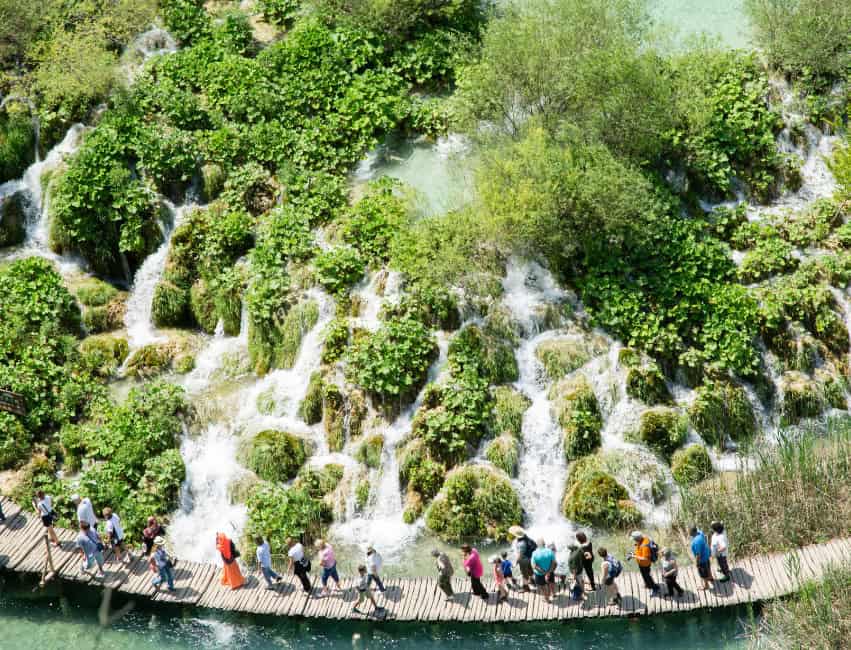
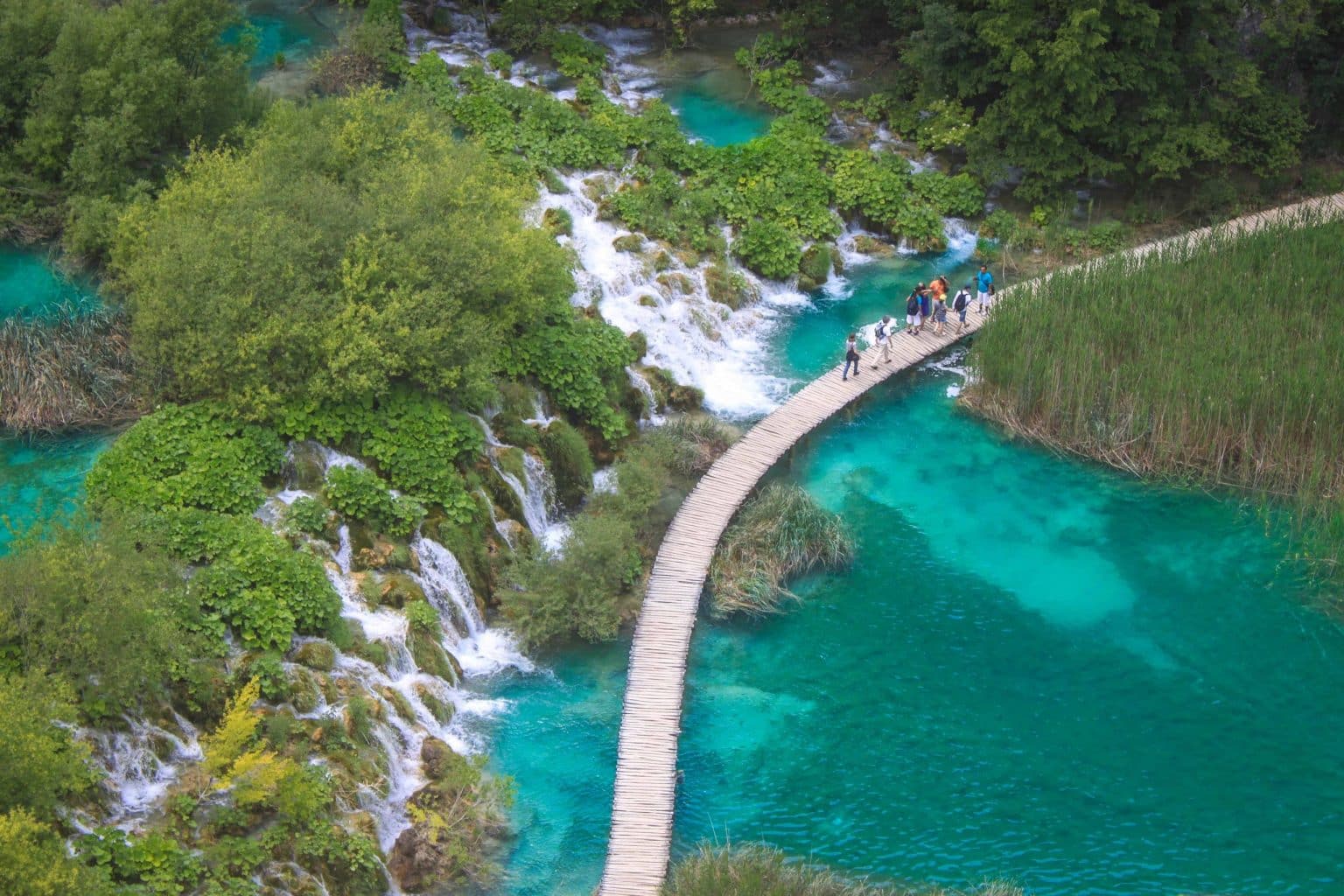
Position yourself at the upper trail overlook to photograph the cascading emerald pools and the winding wooden boardwalks below. A plitvice lakes day trip from dubrovnik allows you to frame the park's karst landscape from this elevated vantage point.
Walk the path along the edge of this waterfall to photograph the interplay of sunlight through the dense foliage and turquoise basins. This location offers a intimate view of the water flowing over travertine barriers.
Shoot from the low-lying wooden paths that snake across the crystal-clear water to gain a close-up of the aquatic flora and tufa formations. These pathways offer an immersive angle for your plitvice lakes day trip from dubrovnik tours imagery.
Planning a plitvice lakes day trip from dubrovnik requires careful preparation, as the park involves extensive walking across wooden boardwalks and natural terrain. This UNESCO heritage site offers a rewarding outdoor experience for families when managed with realistic expectations for young travelers.
Strollers are generally not practical due to narrow wooden walkways and stairs, so a baby carrier is recommended for infants and toddlers. Families should prepare for a significant amount of walking while exploring these Croatian national park trails.
School-aged children typically manage the hiking routes best, as the pathways require steady footing and stamina. Consider booking plitvice lakes day trip from dubrovnik tours that offer flexible pacing to accommodate younger legs.
The park provides basic amenities, though baby-changing stations are limited. Ensure you have all necessary supplies before entering the grounds at Josipa Jovića 19, 53231 Plitvička Jezera, Croatia.
We recommend the best arrival window of 07:00–09:00 to navigate the cascading water features comfortably. Securing your plitvice lakes day trip from dubrovnik tickets early helps bypass potential queues and ensures a smoother start to your visit.
On-site dining options are available, but packing snacks and water is advisable to keep children fueled between boat and shuttle transfers. These transit services are included with the 40 EUR high season adult ticket price.
Dining options near the park are focused on traditional Lika cuisine, providing hearty fuel for visitors on a plitvice lakes day trip from dubrovnik. While sit-down restaurants are available near the park entrances, many travelers find these spots ideal for a mid-day break during a long plitvice lakes day trip from dubrovnik tour.
Iconic rustic venue near Entrance 1 known for Lika lamb, trout, and homemade strudels.
Conveniently located near Entrance 2 offering self-service meals and traditional dishes on the Velika Poljana plateau.
Contemporary dining near Entrance 2 featuring dry-aged steaks and pasta in a modern setting.
Everything you need to know for your journey
Plitvice Lakes is open daily from 07:00–19:00. Arriving between 07:00–09:00 is recommended for the best experience.
Yes, booking your plitvice lakes day trip from dubrovnik tickets in advance is highly recommended to guarantee entry.
No, swimming is strictly prohibited to protect the park's ecosystem during your plitvice lakes day trip from dubrovnik.
The entrance fee is 40 EUR (High season adult ticket), which includes shuttle and boat access for your plitvice lakes day trip from dubrovnik.
The best time is early morning, between 07:00–09:00, to avoid the heat and crowds during your plitvice lakes day trip from dubrovnik.
Restaurants are available at the entrances, but we suggest packing snacks for your plitvice lakes day trip from dubrovnik.
Yes, but use child carriers instead of strollers on the wooden trails during your plitvice lakes day trip from dubrovnik.
Bring comfortable shoes, water, sunscreen, and a rain jacket for your plitvice lakes day trip from dubrovnik.
Most tickets are non-refundable; confirm the specific terms of your plitvice lakes day trip from dubrovnik with your provider.
Crystal clear river located near the park entrance.
Located inside the park zone for easy access.
Join thousands of happy travelers who have discovered this incredible experience
Book Your Experience Now